Home care, home health, or a move: a Southeast Houston family comparison
The useful question is which problem you have this month, not which brochure sounds kinder.
September 21, 2026 · 4 min read
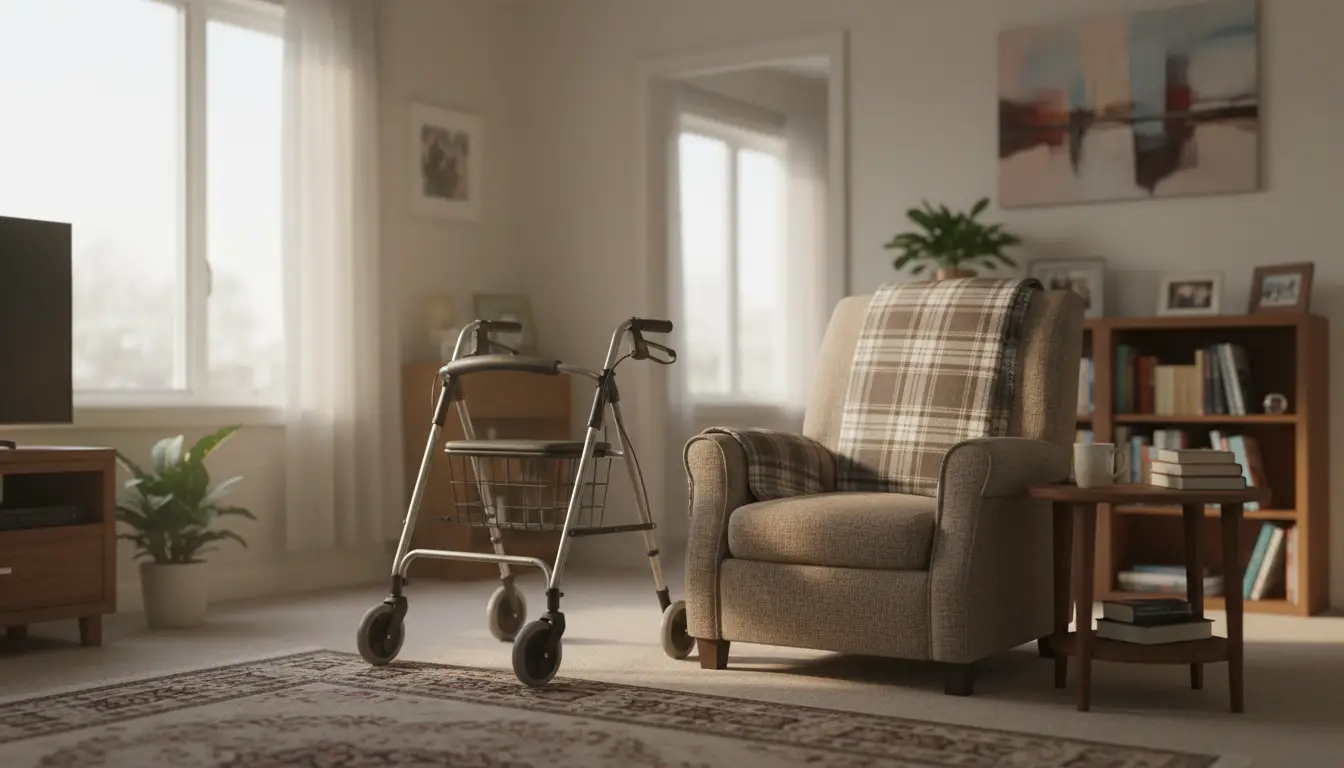
Families in Southeast Houston mix up three different products because the words sit next to each other on a search page. Home care is a person in the house for daily life. Home health is a clinical team, usually after a hospital or a doctor's order. Assisted living is a move. You can need more than one at the same time. You should not buy all three when you only need someone to stay for the shower and the afternoon.
Non-medical home care: the house keeps running
Non-medical in-home care is companion time, meal and hydration reminders, help with bathing and dressing, light housekeeping, mobility support as appropriate, and a note back to the family. Dementia support and respite live here too. So does overnight or live-in coverage when the nights are the dangerous part. J N J Home Healthcare is this kind of operator. Every service page on a serious agency in this trade should say, out loud, that they are not skilled nursing.
This is the right lane when the parent can still live in the Bacliff or Friendswood house if someone is present for the hard hours. It is also the right lane when a hospice team is already in the picture and you need a calm person for comfort, company, and a break, not another clinician. Private-pay, no-contract care lets you start with two or three visits and change the week when the parent has a good stretch or a bad one.
- Choose home care when the main gaps are meals, bathing, company, supervision, or a tired spouse.
- Keep the primary-care doctor and the pharmacy in charge of medical decisions.
- Ask for hour blocks that match the day, including four, six, eight, ten, twelve, or twenty-four.
- Write down what the caregiver will not do so nobody invents a nursing task at the bedside.
- Use respite on the calendar so the family caregiver has a real off-shift.
Home health: clinical work with an end date
Home health is nursing, therapy, and related clinical visits, often paid by Medicare or another insurer after a qualifying event. A wound, a new oxygen setup, physical therapy after a fall at a League City grocery, or training on a new medication can belong here. The visits are shorter. The goals are medical. When the skilled need ends, the benefit often ends even if the parent still cannot cook or bathe alone.
That last sentence is where families get stranded. The therapist discharges. The house is the same house. The Tuesday shower is still a problem. Non-medical care is what continues. If someone tells you home health will also do the laundry and sit through the afternoon, get that in writing. Most of the time it is not true, and you will find out the week the nurse stops coming.
Assisted living: you are changing the address
A move to assisted living or memory care can be the honest answer when wandering, night waking, or two-person transfers have made a single-storey house unsafe even with help. It can also be the answer when there is no adult child within an hour of Clear Lake, Pasadena, or Texas City. It is a new set of rules, a new dining room, and a monthly bill that does not shrink on a good week. Tour it if you need it. Do not tour it as a way to avoid a conversation about four hours of help on weekday mornings.
People use a move as a moral solution. It feels decisive. For a parent who still knows every cupboard in a San Leon kitchen, it can also be a loss they do not recover from. Try coverage in the house first when the risks are still the ordinary ones: missed meals, a dirty bathroom, a lonely afternoon, a spouse who has not slept. If those stabilize, you bought time in the place they already trust.
How the three sit together in one month
A common Southeast Houston month looks like this. Dad comes home from a hospital near the Bay Area. Home health comes three times a week for two weeks. A daughter in Pearland takes nights. By week three the therapist is done and dad still cannot safely shower. That is when you add personal care and companion hours, or a longer weekday block. Hospice, if it starts later, adds a nurse and a social worker. It does not add someone to sit through Saturday. You still staff the house.
If two siblings are arguing, split the question. One column: clinical needs a licensed person. One column: daily life needs a caregiver. One column: the house itself is no longer workable. Most fights happen because those three columns got pasted into one email. Separate them, name the towns and the hours, and the next call gets shorter.
A meet and greet is cheaper than a wrong move
Before you put a deposit on a building or wait out a home-health discharge, have a non-medical operator walk the rooms. Bring the discharge papers. Bring the list of meds. Point at the tub. Ask what they can cover this week in Galveston County or Harris County, and what they will send you back to the doctor for. You should leave knowing whether the parent can stay home with a person in the chair, or whether you are past that line. That is the comparison. Everything after that is logistics.
J N J Home Healthcare, (281) 678-9847
Call (281) 678-9847More articles
Signs a parent in Southeast Houston needs help at home
Most families wait for a fall. The quieter signs show up weeks earlier in the house itself.
How Galveston County families plan respite without leaving a parent stranded
Respite is coverage for the hours you cannot keep doing, not a vacation you have to earn.