Signs a parent in Southeast Houston needs help at home
Most families wait for a fall. The quieter signs show up weeks earlier in the house itself.
September 21, 2026 · 4 min read
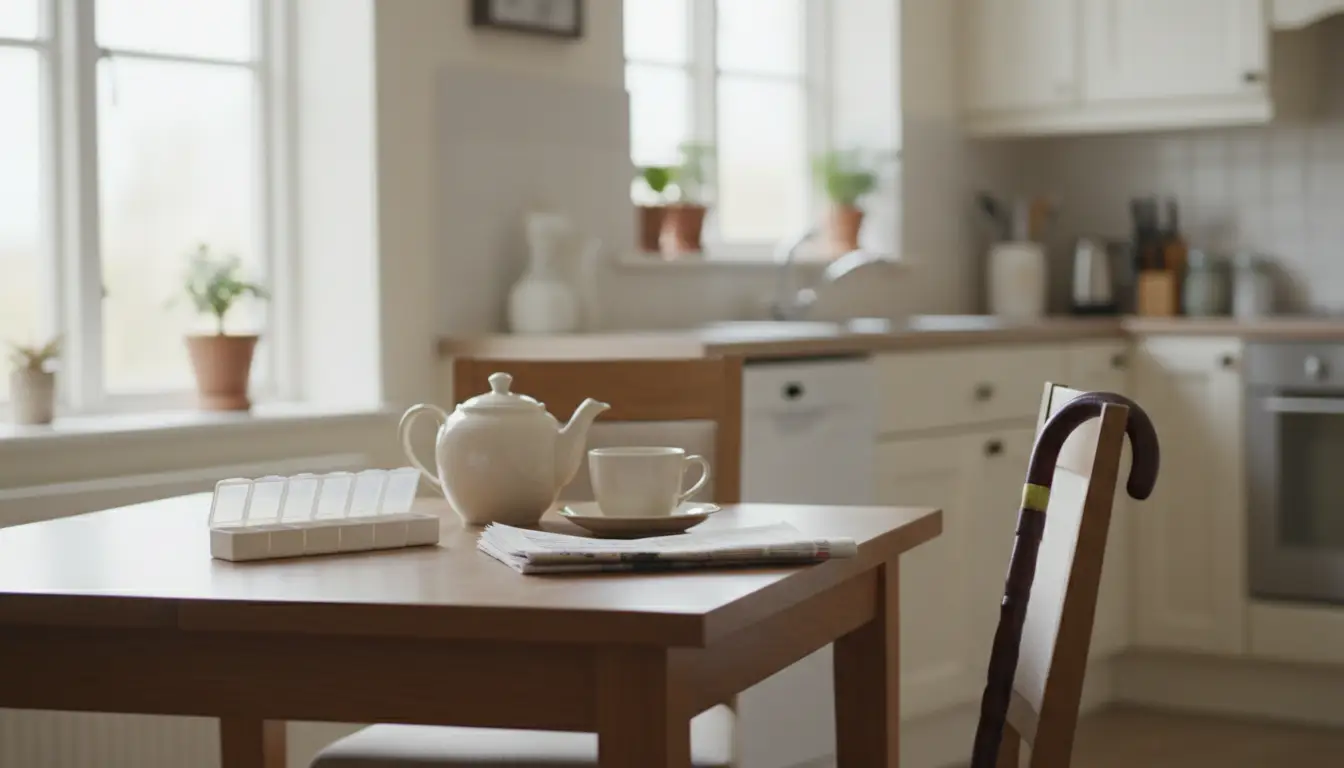
The first sign is rarely a 911 call. More often it is a week of the same casserole in a League City fridge, or a shower that used to happen every morning and now happens when a daughter drives over from Pasadena. Families from Bacliff to Clear Lake wait for a crisis because the parent still sounds fine on the phone. The house tells a different story.
Start with the kitchen and the calendar
Open the refrigerator and look at dates. Unopened milk past its week, stacked takeout, or a freezer of meals nobody heated are common. So is a pantry of cans and no fruit. Meal reminders and light meal support exist for this exact gap. The parent is not failing a character test. Cooking for one after a spouse dies, or after a hip bothers them on the tile, is a lot of work in a single-storey Gulf Coast house that gets hot by noon.
Then look at the wall calendar, the pill box, and the appointment cards on the fridge. Missed Dickinson primary-care visits, a weekly pill organiser still full on Thursday, and unpaid water bills in the same stack as junk mail are one pattern. Medication reminders, when they are appropriate and non-medical, sit next to hydration checks. They do not replace the physician. They keep the day from drifting.
- Note what is actually in the fridge and the trash, not what they say they ate.
- Photograph the pill organiser on two different weekdays so siblings see the same evidence.
- Write down missed appointments for the last 60 days, including the ones cancelled that morning.
- Check whether bills, mail, and the remote have started living in one chair-side pile.
- Ask a neighbor on the block, quietly, whether lights stay on odd hours or the paper sits in the drive.
Bathing, dressing, and why people hide it
Personal care is the topic adult children avoid and the one that predicts falls. A parent who used to dress for church in Friendswood and now wears the same clothes four days in a row is not making a fashion choice. Bathing drops first because a wet tub in an older Bacliff or San Leon bathroom is dangerous, especially without a grab rail or shower stool. They will tell you they prefer a sponge bath. Smell, scalp, and the state of the towels tell you more.
Dressing help, toileting reminders, and a safe transfer from bed to chair are ordinary work for a trained caregiver. They are hard to ask a child to do. That is why families wait until a rash or a urinary infection forces the issue. If you are already helping with zippers, socks, or a walker turn in a narrow hallway, you are already doing personal care. The question is whether you can keep doing it after your own shift in Houston or along the refinery corridor.
Mobility in a one-storey house that is not as simple as it looks
Southeast Houston housing is often a slab ranch with a small step at the door, loose rugs, and a bathroom added in the 1980s. A wheeled walking frame parked by the armchair is useful until the hallway to the toilet is too tight. Night trips to the bathroom are when people go down. Light housekeeping that clears a path, comfort checks, and transfer support as appropriate are the unglamorous half of in-home care.
Watch how they get out of a chair after you have been there an hour. Watch the porch step when they walk you to the car in Webster or Kemah humidity. If they furniture-surf from sofa to counter, they need a person in the house for parts of the day, not another lecture about the walker.
When memory changes the safety picture
Repeating the same question is one thing. Leaving a burner on, walking toward the road in a Seabrook or League City subdivision, or hiding bank cards because someone on the phone needed them is another. Memory-care support at home is companionship, routine, meal and hydration reminders, supervision, and personal care. It is not a diagnosis and it is not skilled nursing. Families still keep the physician, the neurologist if they have one, and the pharmacy.
A large-print calendar by the door and a bowl for keys help. So does the same person arriving at the same hour. Wandering risk goes up at dusk. If you are already afraid to leave them between 4 p.m. and bedtime, that is a coverage problem, not a willpower problem.
What to write down before you call anyone
Make a one-page note the siblings can share. Name the towns involved: who lives in Pearland, who is still in the house in Texas City. List the hours you can personally cover. List the tasks you are already doing: meals, showers, laundry, rides to Clear Lake appointments, overnight stays. Circle the ones that scare you. Non-medical in-home care can take many of those. It cannot give injections, manage a wound vac, or replace hospice clinicians. If those are in the picture, you still want a caregiver for the house work while the clinical team does the clinical work.
Then try a short stretch of help before anyone sells the house or tours a building. A few visits a week, or a four- or six-hour block on the hardest days, will tell you whether the parent settles, whether the house stays safer, and whether you sleep. Ask for a meet and greet in the home and walk the actual rooms. The useful conversation starts with the shower, the stove, and the night bathroom trip, not with a brochure.
J N J Home Healthcare, (281) 678-9847
Call (281) 678-9847More articles
How Galveston County families plan respite without leaving a parent stranded
Respite is coverage for the hours you cannot keep doing, not a vacation you have to earn.
What families from Bacliff to Clear Lake should verify before hiring in-home care
A home-based agency can still be a real operator. The meet and greet is where you check the register.